
Day of the Dead Pet AI: a one-photo memorial workflow, prompts and checks

The pet marigold-bridge trend turns a familiar photograph into an imagined homecoming: a dog or cat walks toward the viewer across orange flowers. A related animated version shows a friendly gatekeeper checking the animal's photograph before welcoming it through a gate. These are synthetic remembrance scenes, not recordings of an actual reunion.
I build and maintain Day of the Dead Pet AI and the separate adult-portrait project Marigold Bridge AI. This article concentrates on the pet workflow. It records our small development test set, one content rejection, and the output checks we use. It is not an independent review or a model benchmark. AI assisted the writing; the product facts and test results were checked against our own implementation and task records.
What the trend asks the model to do
The recognizable scene combines one identifiable animal, a low camera, a luminous orange flower path and a calm approach toward the viewer. Fur markings, ears, muzzle, paws and collar matter more than a generic description of a "beautiful pet."
Día de Muertos has cultural meaning beyond an AI effect. Families observe remembrance differently. The October 27 pet-remembrance date is a recent popular custom; I do not claim it is a single ancient rule observed by every family. A digital keepsake also does not replace a family ofrenda.
I have not independently established the first creator of these AI formats or a reliable total view count. Viral popularity figures from template marketing pages are not measurements of our product.
Watch the complete example before choosing a scene
The following input is a fictional, AI-created golden retriever. No customer photograph is used in this article.
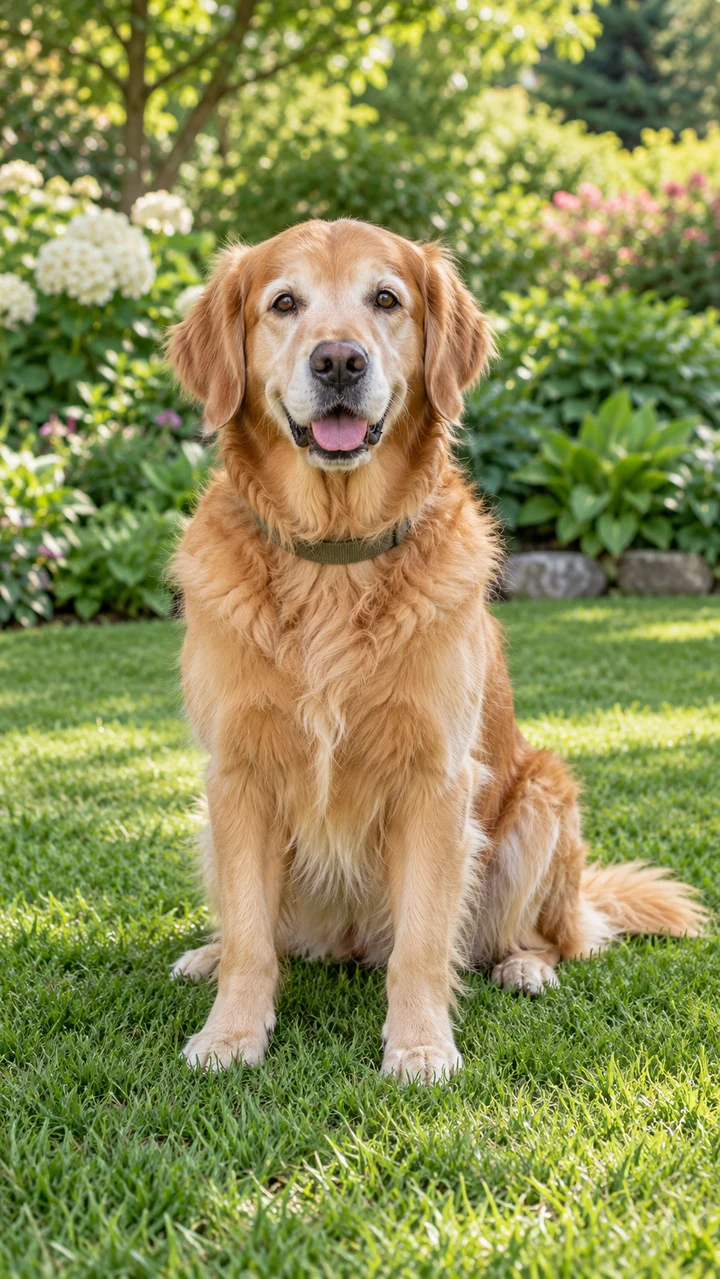
If an embedded player is unavailable, open the complete 10-second bridge example. Inspect the whole clip, including its last frame. The public website uses lighter complete previews; the example link above is the original sample MP4.
| Scene | Starting material | Visual result | What needs checking |
|---|---|---|---|
| Pet marigold bridge | One dog or cat photograph | Lifelike animal approaches on a glowing night bridge | Four-paw motion, markings, bridge surface and ending |
| Animated gate | One pet photograph | An original decorative gatekeeper welcomes the pet | Recognizable animal, clear photo interaction, no borrowed characters |
| Pet ofrenda | One pet photograph | A framed portrait on a gently moving altar | Portrait stays stable, restrained movement, readable frame |
| Rainbow bridge | One pet photograph | A quiet garden bridge after rain | Familiar proportions, head turn, complete final pose |
Our pet ofrenda guide and rainbow bridge page explain the different choices. They are separate scenes, rather than names for the same output.
Three ways to make a remembrance clip
| Route | What you supply | Work remaining | Cost and limits |
|---|---|---|---|
| A purpose-built photo-to-video tool | A clear pet photograph and scene selection | Review identity and the full result before sharing | Our product is paid; examples and instructions are public |
| A photo editor or template app | Your own photo, flowers and permitted motion/audio assets | Compose an altar or slideshow, animate it, export it | Check the individual app and template; I have not tested every offer |
| A model workflow you assemble | A permitted identity image, original scene reference and prompt | Submit, track, retrieve, check and store the completed result | Provider-specific billing and content rules apply |
A photo slideshow is a useful alternative when keeping the original portrait unchanged matters more than generating a walking animal. I would choose that route rather than promise an AI model will reproduce every marking exactly.
The reference-to-video workflow we tested
We used Seedance 2.0 Mini through EvoLink, with vertical 9:16 requests at native 720p. Pet clips requested 10 seconds. The human flower-bridge variant requested 12 seconds. Actual sample container durations were slightly longer, so media checks use the file's measured duration rather than assuming the request value is exact.
For the revised pet bridge, the first image supplies the animal's identity. A separate original scene image supplies the night suspension bridge, orange petal carpet, rope rails and lanterns. Separating those jobs helped us describe the setting more precisely.
The intended pet sequence is simple:
- Establish the animal at the middle of a long flower-covered bridge, viewed near pet-eye height.
- Let it approach the stationary low camera on four paws.
- Slow near the camera and hold a clear, recognizable ending with a small head or tail movement.
Avoid packing several transformations into the same short clip. The ofrenda mode deliberately asks for a framed photograph and restrained environmental motion; it does not need a walking animal as well.
An illustrative prompt to adapt
This is a shortened teaching prompt, not a promise that a different model or reference will reproduce our sample:
Use image 1 for exactly one pet's identity: preserve species,
fur pattern, eyes, ears, muzzle, paws and collar.
Use image 2 only for an original night flower-bridge setting.
The entire bridge deck is covered in orange marigold petals.
At a low pet-eye camera, the pet approaches on four paws,
slows near the viewer and holds a calm final pose.
Keep the full animal visible. No additional animals, extra limbs,
text, logos, recognizable movie characters or recorded songs.
Vertical 9:16, gentle original ambience.
Do not paste a customer's private image address into a public prompt example or repository. Our public helper materials use local filenames and public fictional examples only. Provider credentials and customer files stay out of articles.
A small check you can run on a local output
The command below reads the actual container rather than trusting a task status. It requires ffmpeg on PATH, or FFMPEG_PATH pointing to an installed binary. Run it against your own permitted output file; it does not upload anything. It measures duration and dimensions, but cannot judge identity or anatomy.
import json, os, re, subprocess, sys
probe = subprocess.run([
    os.environ.get("FFMPEG_PATH", "ffmpeg"), "-hide_banner", "-i", sys.argv[1]
], capture_output=True, text=True).stderr
size = re.search(r"Video:[^\n]*? (\d{2,5})x(\d{2,5})", probe)
duration = re.search(r"Duration: (\d+):(\d+):([\d.]+)", probe)
if not size or not duration:
    raise SystemExit("No readable video metadata")
hours, minutes, seconds = map(float, duration.groups())
print(json.dumps({"width": int(size[1]), "height": int(size[2]),
    "duration_seconds": hours * 3600 + minutes * 60 + seconds,
    "has_audio": "Audio:" in probe}))
Save it as inspect_clip.py, then run python3 inspect_clip.py your-clip.mp4.
What our test log actually showed
Across both projects, the first approved batch contained eight completed scene tests. A later three-task revision produced two completed clips and one content rejection. This is a small development set, not a statistical success rate.
| Observation or test | Change | Result and boundary |
|---|---|---|
| Earlier bridge framing did not express the desired night suspension setting strongly enough | Added a separate original setting image and a more specific low-camera sequence | Revised pet bridge completed; this is the bridge example linked above |
| Human flower-bridge needed the crouch, cupped petals and framed ending | Described a 12-second sequence with those stages | Revised adult example completed and was manually reviewed |
| A revised crystal-gate scene was rejected for possible copyrighted or trademarked content | No retry was submitted in this round | Provider reported no charge; the earlier distinct gate sample remains a candidate, not proof the rejected revision worked |
We did not bypass that rejection or remove a brand name repeatedly until the same request passed. A safer production direction is an independently designed scene and a review of both the prompt and reference imagery. A success response also does not prove good anatomy or faithful identity: those are separate visual checks.
The human flower-bridge variant
Marigold Bridge AI is a separate site for adult portraits. Its main example uses an original warm 3D style: shoes enter a carpet of petals, the person crouches and gathers flowers, then the clip ends on the original portrait in a golden frame.
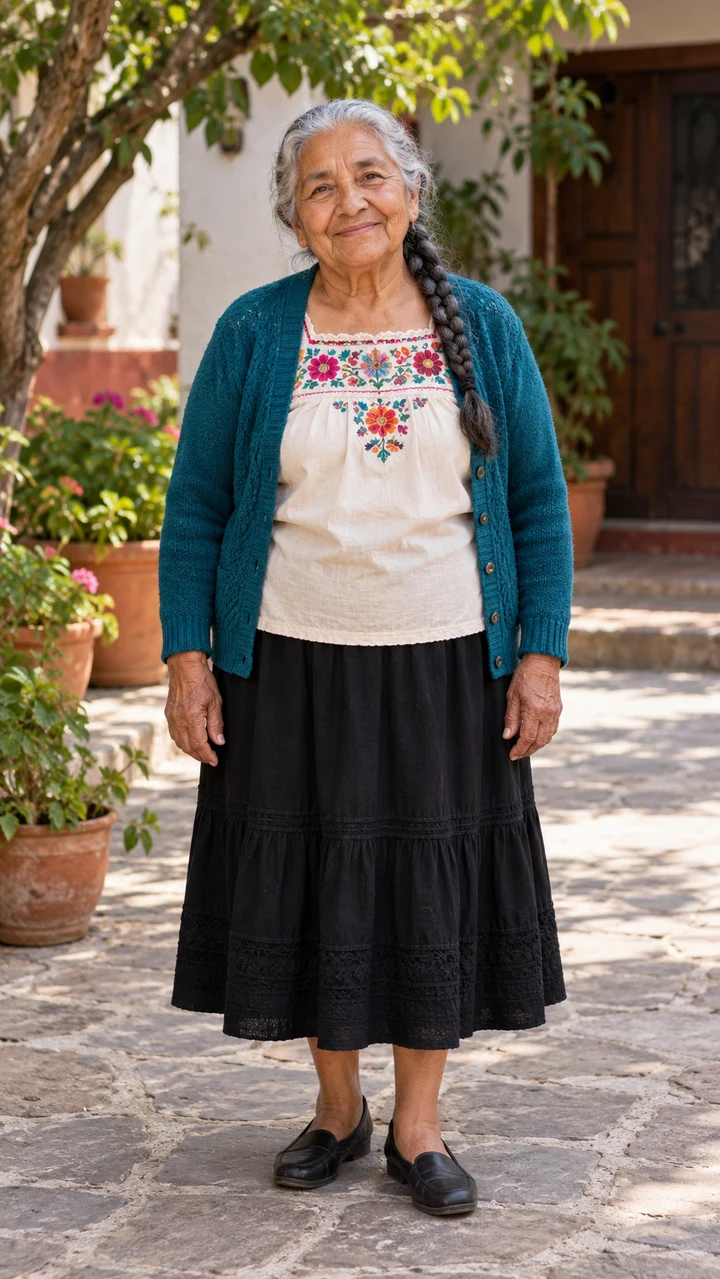
Watch the complete 12-second adult example. The two-photo Heaven Hug workflow uses two separate adult portraits. It should not be described as a one-photo tool. Neither project is affiliated with Disney, Pixar or the film Coco.
Photo, sound and delivery checks
For our sites, the accepted photo formats are JPG, PNG and WebP, up to 5 MB per image. Keep one subject in each photograph. A full-body pet image helps make paws, tail and proportions less ambiguous. Avoid overlapping animals and a face hidden by glare.
Original ambient sound is optional. The viral post's song is not included. If you add music in a social app, check the license for your intended use rather than assuming a song available in one context is free for all commercial uses.
Before sharing a completed result, check the face or muzzle, distinctive markings, limb count, floor contact, the last second, overall duration and whether the soundtrack matches your selection. A download click is not the same as receiving a usable file. In our delivery checks, the saved private output was compared with the original completed provider file, including a full-file hash and a partial-range playback request.
The hosted projects charge for personalized generation. Their billing is separate from the model experiment described here. In the application, a completed task and a restored credit are recorded as distinct state transitions; a visual complaint is reviewed separately from a confirmed transport or provider failure. An ambiguous network timeout must not automatically repeat a potentially billable generation request.
Uploads are private. Inputs have a seven-day retention window with unresolved-task exceptions, and completed results have a thirty-day window. Keep your own downloaded copy. Read privacy and help for the actual scope and support contact.
Questions worth answering directly
Can a dog or a cat be used? The pet project accepts both. Choose a clear single-animal photograph and review the chosen scene's full example; neither species nor exact markings are guaranteed to survive every generation unchanged.
Is a virtual ofrenda the same as a marigold-bridge video? No. An ofrenda scene centers the framed photograph and offerings. A bridge scene centers a moving animal.
Does the clip show a real afterlife or reunion? No. It is an imagined AI tribute. Label it as synthetic when you share it.
Does a completed provider task mean the result is ready for a customer? It means a file was generated. Identity, anatomy, complete duration and usable private delivery still need checking.
Links and disclosure
- Day of the Dead Pet AI: scenes and complete examples
- Pet ofrenda: photo and altar guidance
- Rainbow Bridge Pet AI
- Marigold Bridge AI: separate adult-portrait project
- Human photo requirements and two-photo hug
I operate both projects. The examples use fictional subjects and original generated environmental sound. This article reports our development observations and limitations; it does not claim an affiliation, model benchmark, real customer outcome or guaranteed recreation of a viral post. Product details were checked on October 28, 2026.
